
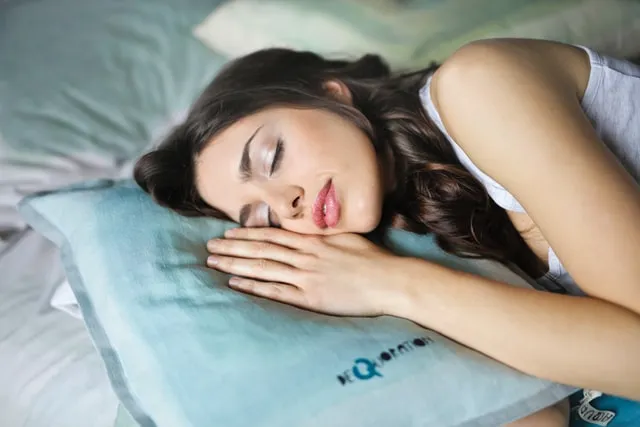
A tinnitus pillow is a pillow with small speakers inside it. It plays gentle sound all night, with nothing in your ears and no noise for the person next to you. The idea rests on a simple observation: tinnitus is at its most noticeable in a silent room, and the bedroom is usually the most silent room you occupy. Keep a little sound running and the ringing has something to blend into, at bedtime, during night wakings, and in the early morning when tinnitus tends to feel loudest.
Using sound at night is standard advice in tinnitus care. The American Tinnitus Association explains that added sound makes tinnitus harder to notice, and it keeps a free library of masking sounds you can play through a pillow [1]. US clinical guidelines list sound therapy as an option worth trying [2]. This guide covers how the pillows work, which ones are actually available in the US in 2026, and the alternatives that do the same job.
- A tinnitus pillow plays low-level sound while you sleep, so the room is never fully silent and tinnitus is less noticeable.
- No pillow changes the tinnitus itself. The benefit comes from the sound, which is why an under-pillow speaker beneath your favorite pillow works just as well.
- Keep the volume just below the level of your tinnitus. Trying to drown it out tends to backfire.
- Solid current options run from $25 under-pillow speakers to $279 sleep earbuds, with speaker pillows in between.
- For a small group of people whose tinnitus changes with neck position, ordinary pillow height and support can also matter.
What is a tinnitus pillow?
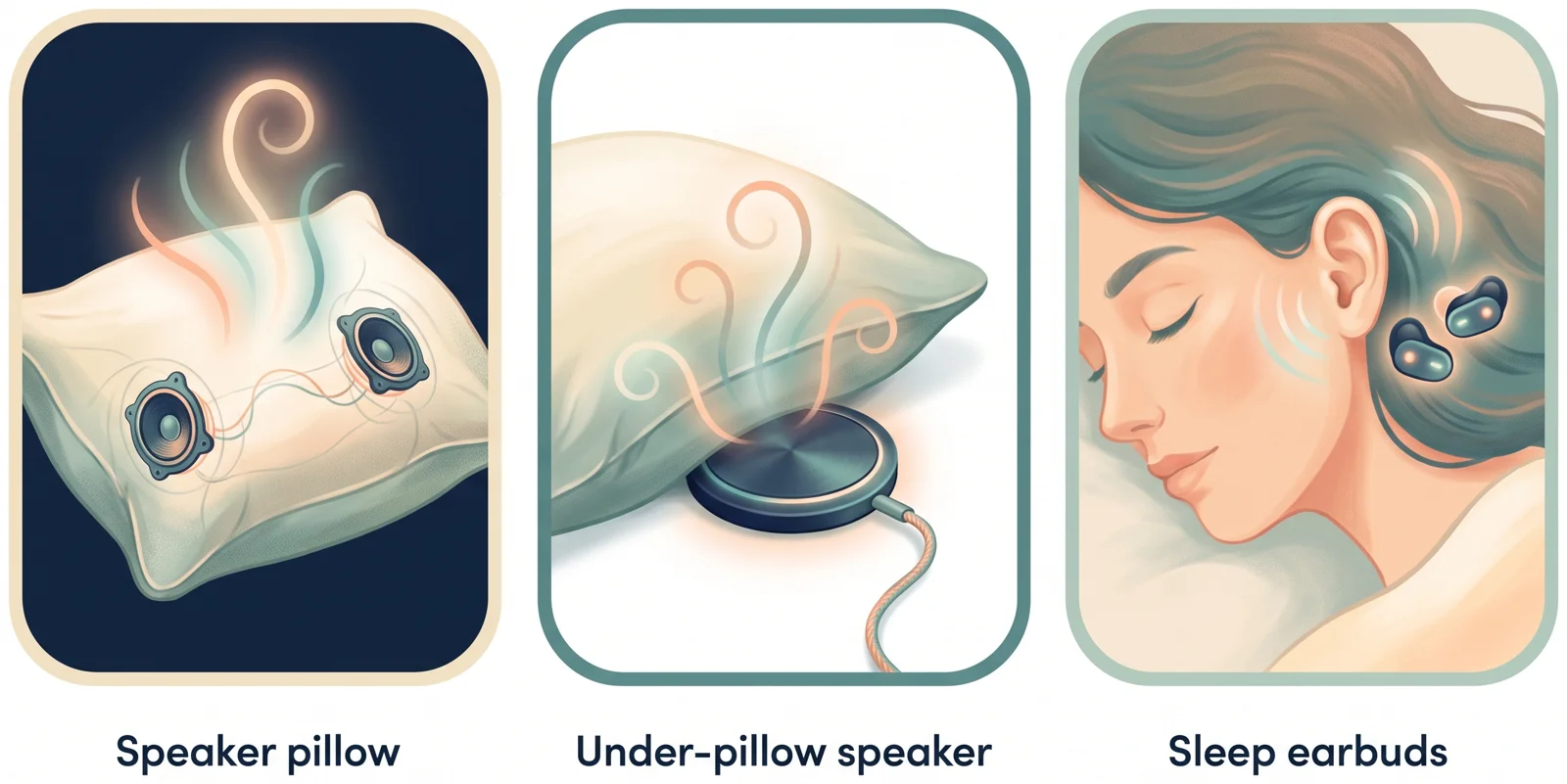
A tinnitus pillow is any pillow that plays sound, either from speakers sewn inside it or from a slim speaker you slide underneath. Three kinds of product get sold under the name:
- Speaker pillows have thin speakers embedded in the filling, wired to a 3.5mm jack or paired over Bluetooth. You plug in a phone, a sound machine, or an MP3 player and the sound comes softly through the pillow itself.
- Under-pillow speakers are flat discs or pads that slip inside the pillowcase of any pillow you already own. Cheapest option, and you keep the pillow you actually like sleeping on.
- Sleep headphones and earbuds are worn rather than built into bedding: soft headbands with flat speakers, or low-profile earbuds designed for side sleepers. Better sound and total privacy, at the cost of wearing something all night.
Do tinnitus pillows work?
They do one specific job well: they stop your bedroom being silent. That matters because tinnitus is far more intrusive against silence, which is why sound enrichment at night is one of the most consistent recommendations in tinnitus care [1][2]. People use it to fall asleep more easily, to get back to sleep after waking, and to soften the contrast when they wake in the morning.
There are real limits. A pillow does not treat the underlying tinnitus, and no speaker pillow has been through clinical trials for tinnitus. You are buying a comfortable way to deliver sound, so judge one like a speaker. Does it sound decent at low volume? Is it comfortable? Will it survive washing?
The best tinnitus pillows and pillow speakers in 2026
For most people the best buy is the cheapest option that suits how they sleep, which is usually an under-pillow speaker. All prices are approximate US prices as of August 2026.
| Product | Type | Approx. price | Worth knowing |
|---|---|---|---|
| Sound Oasis PA-100 | Under-pillow speakers | $25 | Wired, inline volume, works with any pillow |
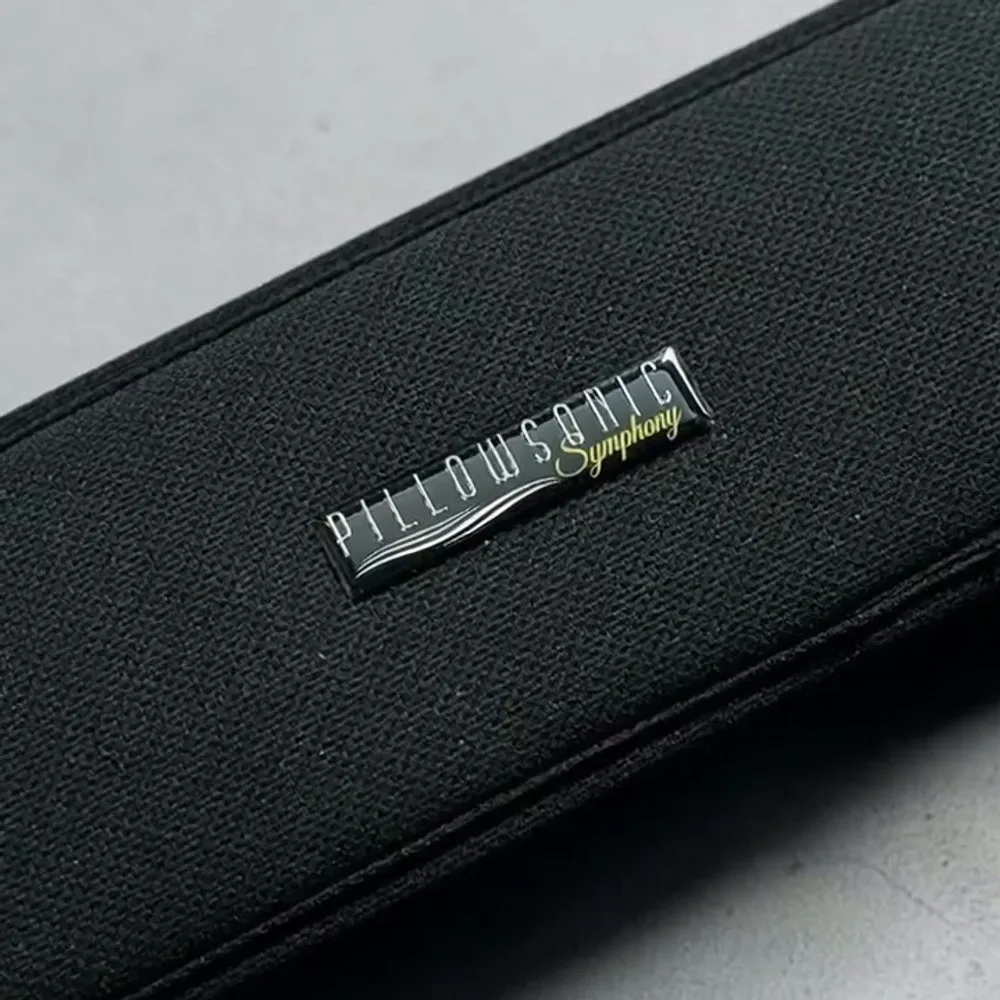
| Pillowsonic Symphony | Under-pillow speaker | $70 to $80 | The long-running category original, sold since 2001 |
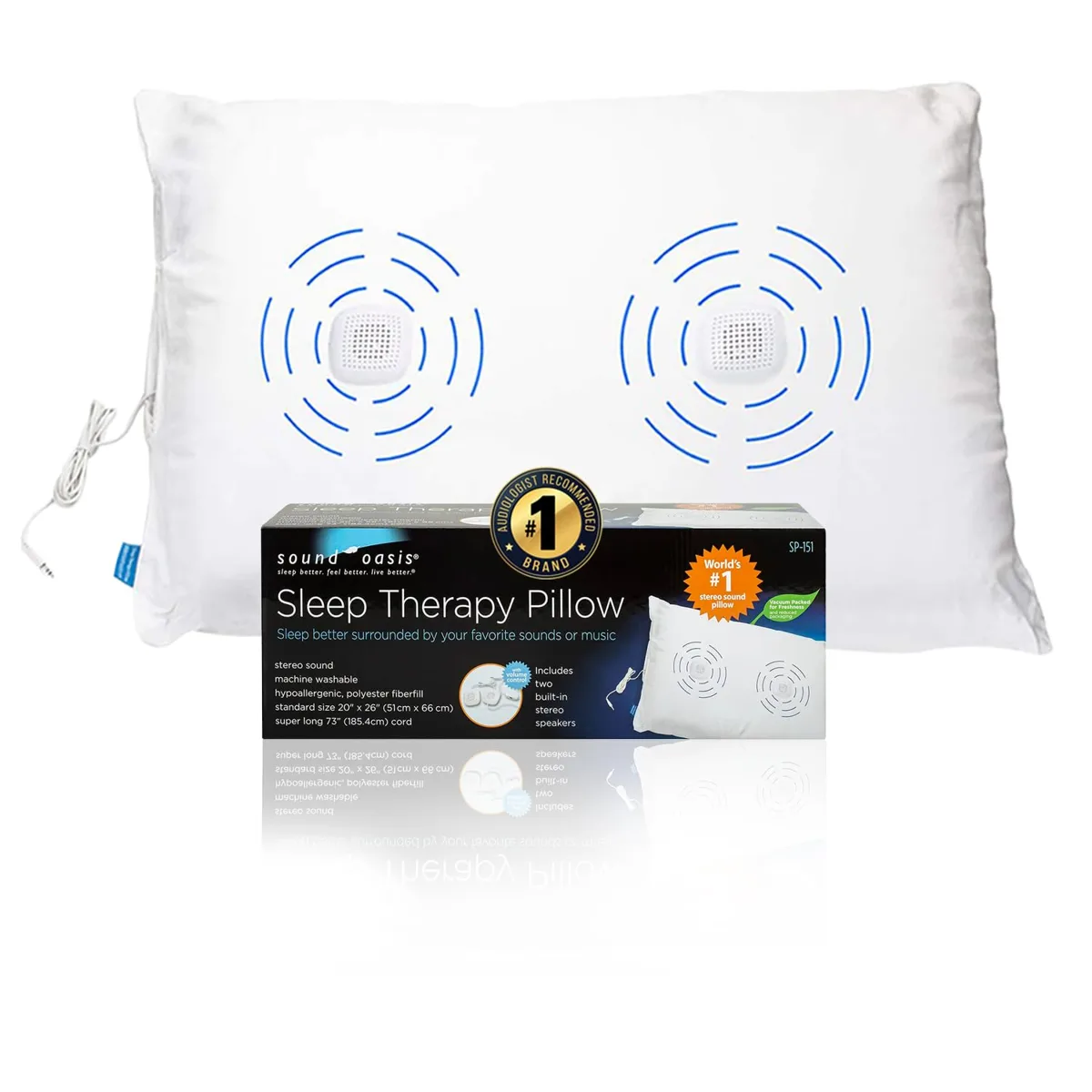
| Sound Oasis SP-151 | Speaker pillow | $50 | Removable speakers, so the pillow is washable |
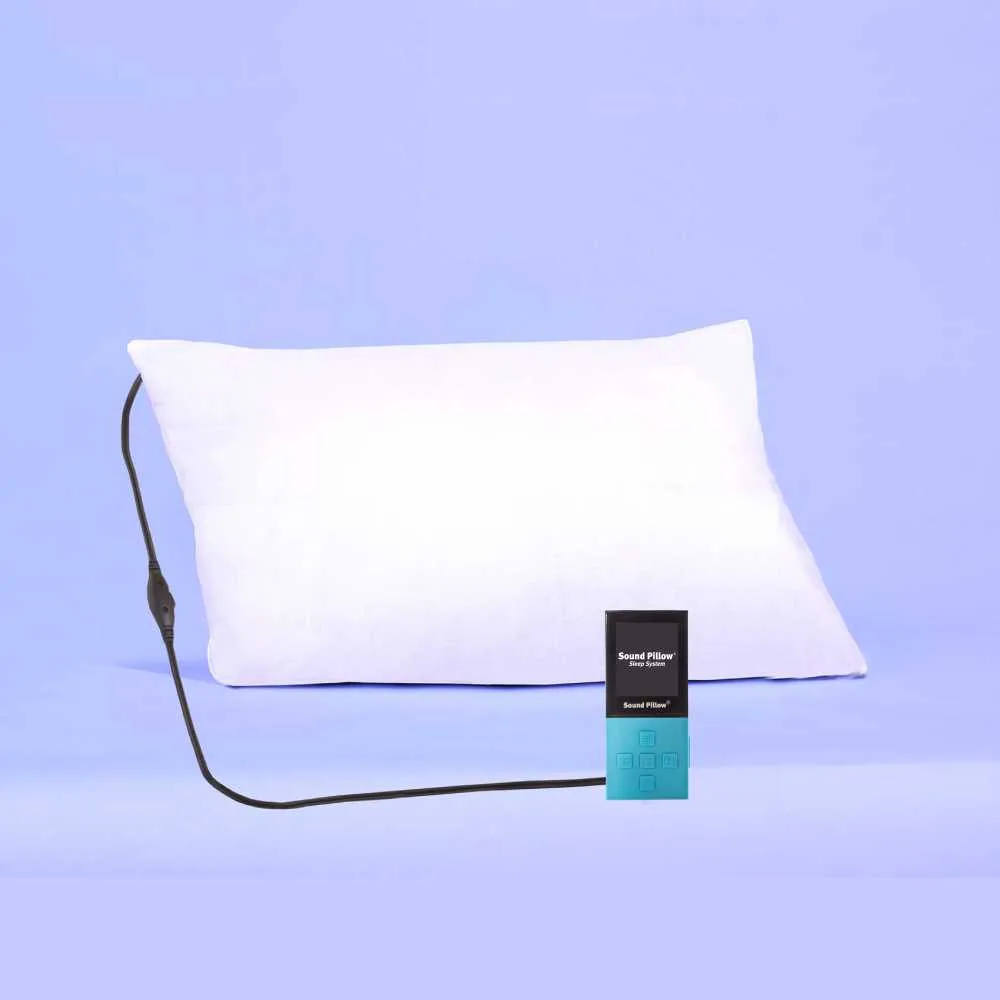
| Sound Pillow Sleep System | Speaker pillow + MP3 player | $160 | Ships preloaded with nature and noise tracks |
| Dreampad | Vibration-based pillow | Varies by bundle | Sound as gentle vibration; sold via Accessible Tech |
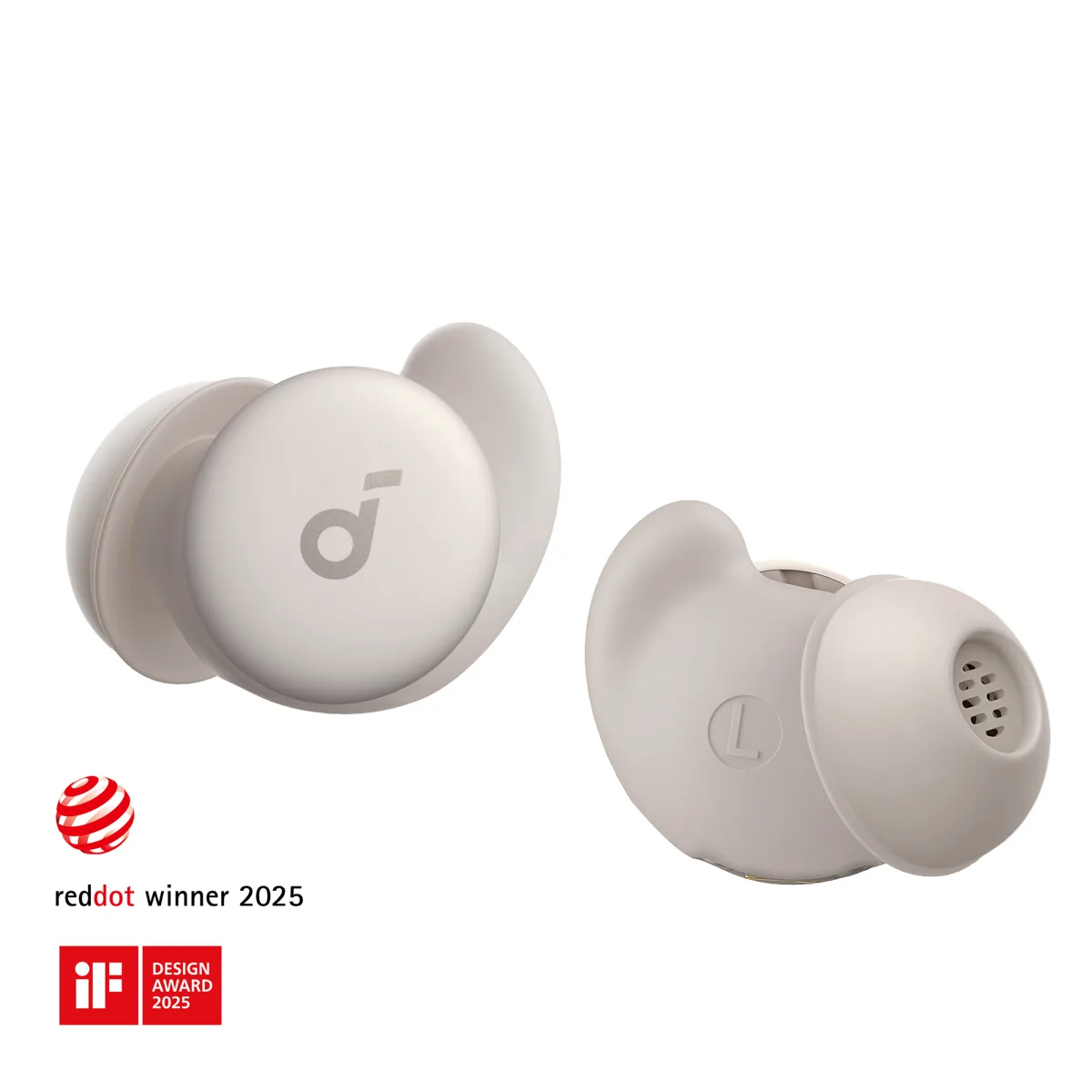
| Soundcore Sleep A20 | Side-sleeper earbuds | $100 | Step-up A30 ($200) adds active noise cancelling |
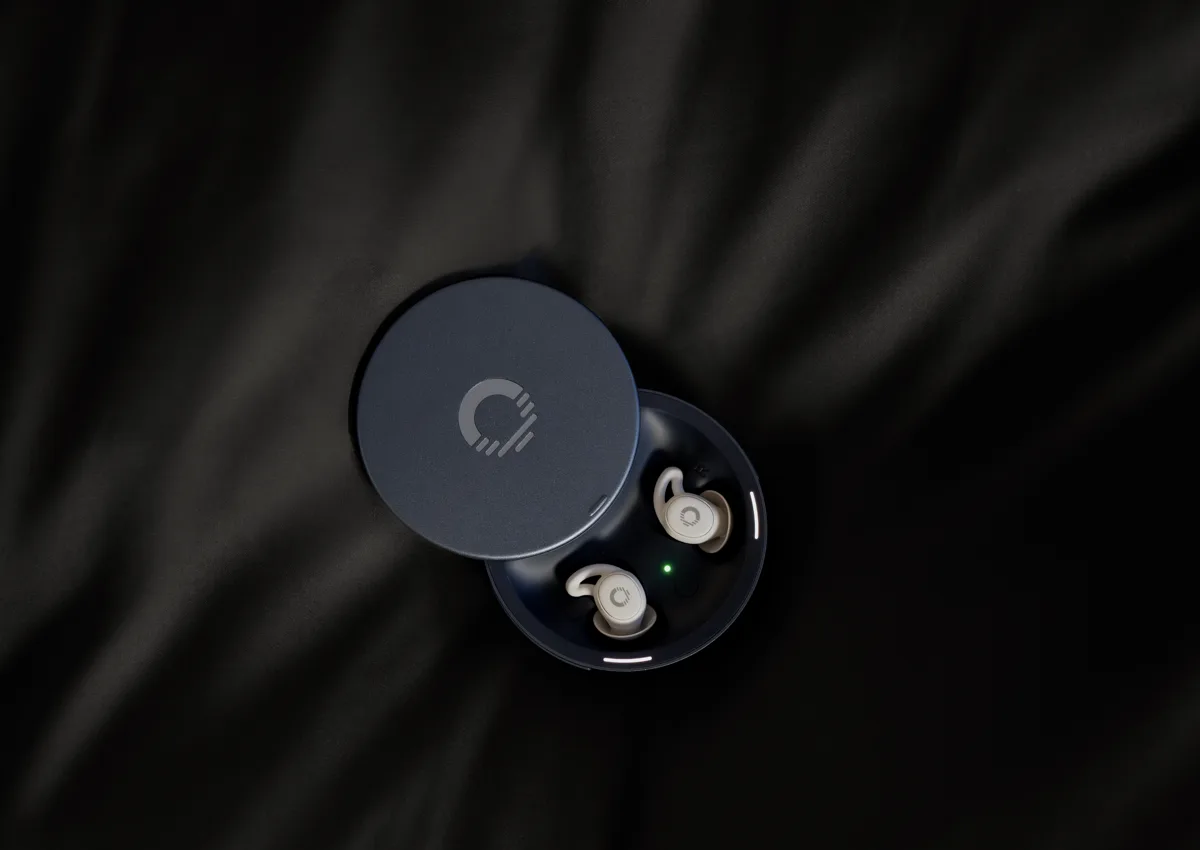
| Ozlo Sleepbuds 2 | Side-sleeper earbuds | $279 | Successor to Bose Sleepbuds |
| Musicozy or Perytong headband | Sleep headphones | $15 to $30 | Bluetooth speakers in a washable soft headband |
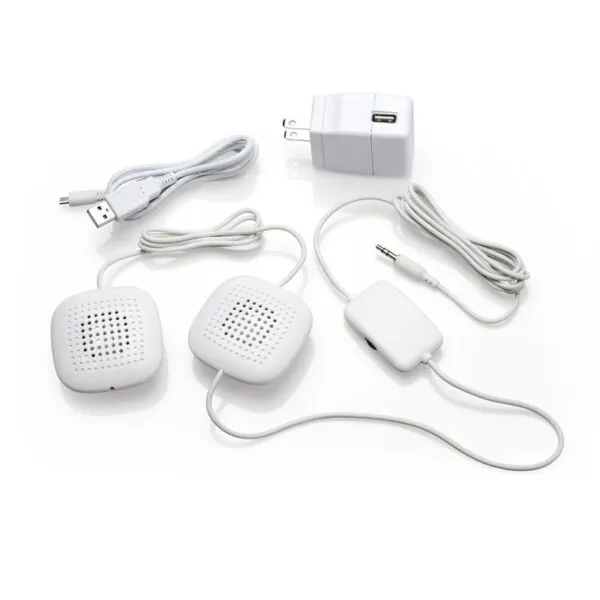
Sound Oasis PA-100
The cheapest way to try sound at night. Two thin amplified speakers slip inside your pillowcase, with an inline volume control and a long cable to reach the nightstand. You keep the pillow you already like.
Pillowsonic Symphony
The category original, sold since 2001 and now in its Symphony generation. A flat speaker panel that disappears under the pillow and delivers fuller sound than the budget discs.
Sound Oasis Sleep Therapy Pillow (SP-151)
A proper speaker pillow at a sensible price, wired with a 3.5mm jack. The speakers lift out, so unlike most speaker pillows this one goes in the washing machine.
Sound Pillow Sleep System
Comes with its own preloaded MP3 player carrying hours of nature sounds and noise tracks, so it works with no phone in the bedroom at all. Speakers are embedded, so it is not machine washable.
Dreampad
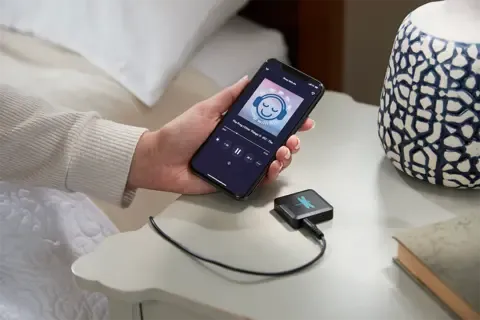
Delivers sound as gentle vibration through the pillow rather than through open air, which only the person lying on it can hear. Now sold through Accessible Tech; check current bundle pricing before buying.
Soundcore Sleep A20
Flat-profile earbuds built for sleeping on your side, with battery life measured in nights. The step-up Sleep A30 ($200) adds active noise cancelling and snore masking.
Ozlo Sleepbuds 2
The direct successor to Bose Sleepbuds, built by former Bose engineers who licensed the technology after Bose left the category. The most polished sleep earbuds available, at the highest price here.
How to choose between them: if you already love your pillow, start with the $25 under-pillow speakers. If you share a bed with a light sleeper, pillow speakers are quieter to the room than any bedside machine. Earbuds are silent to everyone but you. If you sleep on your side, check the speaker positions or go for the flat earbuds, since a speaker directly under your ear can feel lumpy in cheaper pillows.
What should you play through it?
The sound matters as much as the speaker. Two rules make it work. Set the volume just below your tinnitus, because trying to cover it completely tends to backfire. Then choose sound that is pleasant without being interesting. Anything engaging keeps your brain listening when it should be winding down.
Good candidates:
- Steady broadband sound: rain, ocean waves, a fan, or white, pink, and brown noise. Brown noise sits lower in pitch and many people find it the easiest to sleep on.
- Calm instrumental audio without a strong melody or vocals.
- A talk track to fall asleep to, then steady sound for the rest of the night. If a podcast or audiobook helps you drop off, set a sleep timer on it and let the noise track carry the hours after.
The American Tinnitus Association's free masking sound library is a good place to start [2], and tinnitus apps carry full sleep sound collections designed for exactly this. Try a few sounds for a week each. Familiarity is part of what makes a sound easy to ignore, so switching every night works against you.
Does your regular pillow matter for tinnitus?
For most people, no. There is no evidence that a pillow's material or firmness causes or relieves tinnitus, and claims along those lines on retail sites are not backed by research.
There is one honest exception. In some people, tinnitus interacts with the muscles and joints of the neck and jaw. Doctors call this somatosensory tinnitus. Studies report that many people with tinnitus can change its loudness or pitch by moving the neck or clenching the jaw [3]. Watch for two signs: tinnitus that shifts with head position, and mornings that come with a stiff neck or aching jaw. If that sounds like you, good neck support is worth getting right. Mention the pattern to your doctor, dentist, or audiologist too. Some side sleepers with ear discomfort or pulsatile tinnitus also like pillows with an ear recess cut into them, which is purely a comfort choice.
How to set up sound for the night
Run the sound all night, at a level just below your tinnitus.
- Run it all night if you can. Sound that switches off after 30 minutes leaves you in silence for the 3 am waking and the early morning, which is when many people need it most. If tinnitus is part of why you wake up to loud mornings, all-night sound smooths that transition.
- Volume just below the tinnitus. You should still faintly detect the tinnitus if you listen for it. At that level the two sounds blend together.
- Mind the cables. Wired pillow speakers keep phones and Bluetooth radios away from your head, which some people prefer, but route the cable behind the headboard so it never crosses the mattress.
- Give each setup a fair trial. A week or two per arrangement tells you more than one restless night.
A bedside white noise machine does the same job out loud. If you have hearing loss alongside tinnitus, hearing aids during the day often help more than any nighttime gadget. The wider routine is covered in our guide on how to sleep with tinnitus.
Care, washing, and travel
Speaker pillows live on a bed, so check the washing story before you buy. The Sound Oasis SP-151's speakers lift out, leaving a machine-washable pillow. Most other speaker pillows, including the Sound Pillow, have embedded electronics and can only be spot cleaned, so use a decent pillowcase and wash that instead. Headband-style sleep headphones usually let you slip the electronics out and machine-wash the fabric band.
For travel, under-pillow speakers and headbands pack flat and work on any hotel pillow, and Sound Pillow sells a travel version of its system. On planes, sleep earbuds are the practical choice, since they block some cabin noise and need no pillow at all.
Where do pillow speakers fit in tinnitus care?
A pillow speaker helps you sleep. The tinnitus itself is handled through a care plan from an audiologist.
US guidelines point to a full hearing test as the first step. The audiologist works out what is driving your tinnitus, then builds a care plan around it. A plan usually pulls together several things. There is the hearing evaluation itself, then one to one sessions over a few months, and sound based therapy. It may also include hearing devices and a structured digital program you work through at home.
Oto is one of those digital programs, and clinics provide it as part of that plan. It holds a library of sleep sounds and masking tracks that play through any Bluetooth pillow, under-pillow speaker, or sleep earbuds, plus short daily audio sessions. Our guide to the best tinnitus apps compares it with the other apps people ask about.
See a doctor promptly if your tinnitus is in one ear only, pulses in time with your heartbeat, or arrives with sudden hearing loss or dizziness. Sudden hearing loss is treated as urgent.
Frequently asked questions
What is a tinnitus pillow?
A pillow with thin speakers built into it, used to play low-level sound through the night. The sound gives tinnitus something to blend into, which makes it less noticeable in a quiet bedroom. Under-pillow speakers and sleep earbuds do the same job.
Do tinnitus pillows actually work?
They reliably do what they claim: deliver comfortable sound at night, which is a standard recommendation in tinnitus care. They do not treat the tinnitus itself, and no pillow has clinical trial evidence, so treat it as a comfortable speaker for the bedroom.
What should I play through a tinnitus pillow?
Steady, pleasant, unengaging sound works best: rain, waves, fan or brown noise, or calm instrumental audio. Set the volume just below the level of your tinnitus. The American Tinnitus Association offers a free masking sound library, and tinnitus apps include full sleep sound collections.
Can I use my own pillow instead of buying a speaker pillow?
Yes. Under-pillow speakers such as the Sound Oasis PA-100 (about $25) slip inside the pillowcase of any pillow and play sound through it. It is the cheapest way to try night-time sound without changing the pillow you sleep on.
Are sleep earbuds better than a tinnitus pillow?
They solve different problems. Earbuds like the Soundcore Sleep A20 or Ozlo Sleepbuds 2 give clearer sound, block some outside noise, and keep the audio completely private, but you wear them all night. A pillow keeps your ears free and never needs charging mid-week. Side sleepers do well with either; try the cheaper route first.
Can the wrong pillow cause tinnitus?
There is no evidence a pillow causes tinnitus. In people whose tinnitus is influenced by the neck and jaw, poor neck support might make it more noticeable, so if your tinnitus changes with head position, reasonable neck alignment is worth attention and the pattern is worth mentioning to a clinician.
References
- American Tinnitus Association. Sound therapy. https://www.ata.org/about-tinnitus/sound-therapy/
- Tunkel DE, Bauer CA, Sun GH, et al. Clinical practice guideline: tinnitus. Otolaryngology-Head and Neck Surgery. 2014. doi:10.1177/0194599814545325. https://journals.sagepub.com/doi/10.1177/0194599814545325
- Ralli M, Greco A, Turchetta R, et al. Somatosensory tinnitus: current evidence and future perspectives. Journal of International Medical Research. 2017. PMCID: PMC5536427. https://pmc.ncbi.nlm.nih.gov/articles/PMC5536427/